What is the Best Time of the Year for Climbing?
Mount Kilimanjaro can be climbed year-round, but the best times are during the dry seasons, from mid-June to October and December to February. These months offer clear skies and better weather conditions for the climb.
There are two rainy seasons: the long rains from March to May, and the short rains in November. While weather can vary, the dry months of July, August, September, and part of October, January, and February are considered the high season. The transition months—December, March, and June—are less predictable. The wettest months, with heavy rains and poor visibility, are April, May, and November.
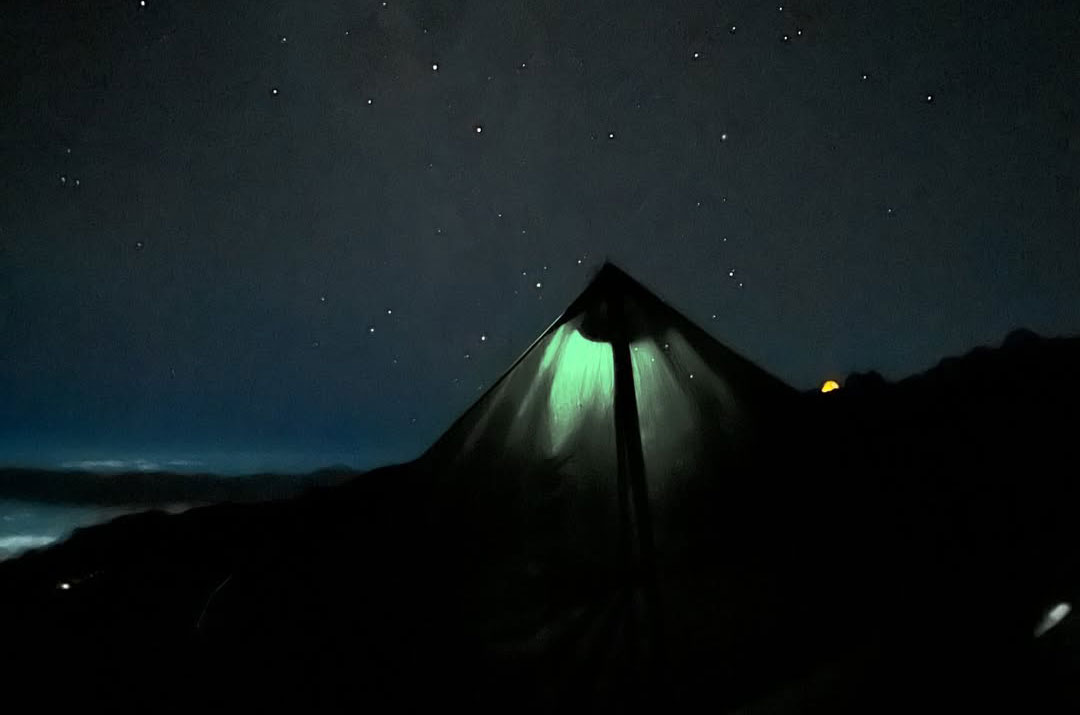
For those seeking clear skies and good visibility, climbing during the dry season is ideal. However, some climbers prefer summiting during a full moon for a bright, beautiful ascent under the moonlight, adding to the experience with enhanced visibility and stunning landscapes.
How Qualified are the Guides?
Our guides are highly experienced, with years of climbing Kilimanjaro to earn their KINAPA National Park license. They are Wilderness First Responders, trained to handle injuries or emergencies.
They are proficient in using medical equipment, including oxygen, pressure altitude chambers, and stretchers. In case of an emergency, they can quickly facilitate communication with the Jaribu base using our Thuraya satellite phone.
Guides are also trained to assess when an evacuation is necessary and know how to carry it out safely.
What’s the Weather on Kilimanjaro?
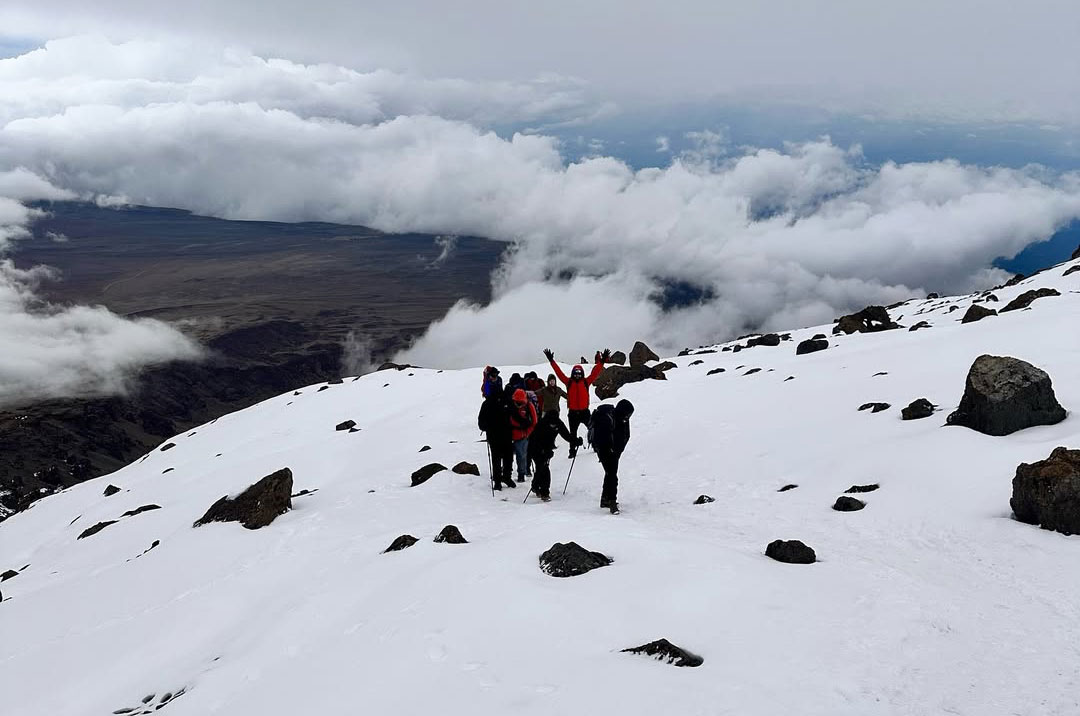
Equatorial to arctic conditions are present on Mt Kilimanjaro and temperatures vary widely; it may be in the 20-32C range in the rain forest and -20C nearer the summit. Above the rain-forest and tree line, most days range between 0-20 C, however, the weather often changes dramatically without warning, so you must always be prepared for four seasons in one day including, rain, snow or a sudden hailstorm therefore making it very important to carry your waterproof shell at all times.
The most flexible way of adjusting to the ever-changing conditions as you trek higher is the layering of several thin articles of clothing which you can add or remove as the conditions dictate.
What Route Should I Climb?
Choosing the right route for climbing Mount Kilimanjaro depends on your preferences, experience, and goals. Here are some key factors to consider:
-
Marangu Route: Known as the "Coca-Cola" route, it's the only route with hut accommodation and is popular for its relatively easier ascent. It’s ideal for those with limited backpacking experience and for those seeking a shorter climb (5-6 days).
-
Machame Route: This is one of the most popular routes, offering stunning scenery and a slightly more challenging climb. It’s suitable for climbers looking for a more immersive experience with varied landscapes (6-7 days).
-
Rongai Route: For a more remote, less crowded experience, the Rongai route is ideal. It’s the only route approaching from the north and is great for avoiding heavy rainfall during the rainy season (6-7 days).
-
Lemosho Route: This route is known for its beautiful scenery and a longer duration (7-8 days), which provides better acclimatization. It's ideal for those looking for a less crowded experience with a slower ascent.
-
Northern Circuit: The longest and newest route, offering incredible views and a true wilderness experience. It’s perfect for those seeking a more gradual ascent and an off-the-beaten-path experience (9 days).
How long does it take to train to climb Kilimanjaro?
The time needed (days, weeks, or months) to train for Kilimanjaro depends upon your level of fitness. But usually, it requires around a month to be prepared for your trek. It is advisable to do staircase training, cardiovascular exercises and upper body exercises. Eat right and do more of aerobic exercises before the trip. Also if possible you can climb a hill to practice for the trek. Overall it is not necessary to be perfectly fit for climbing the mountain. As apart from physical training, mental preparedness is more important for high success rate on the summit.
Is it hard to climb Mount Kilimanjaro?
For experienced climbers, Mount Kilimanjaro will take around 5 to 6 days to reach the top, and is not that hard. Even for new climbers, our guides will help you climb the mountain with ease. But you need to give extra days for acclimatization for maximum success rate at the summit. For new climbers however, climbing Kilimanjaro becomes easier with our trained professionals and porters who help the climbers carry their essential equipment or gear up the summit.
What should I wear to Kilimanjaro summit?
We recommend you wearing multiple layers of clothing. It is the best way to keep your body in the desired temperature range no matter what the environment is. The temperatures you may encounter on Mount Kilimanjaro can be over 37 °C (degrees Celsius); 100 °F (degrees Fahrenheit) to well below zero.
How cold is Kilimanjaro summit?
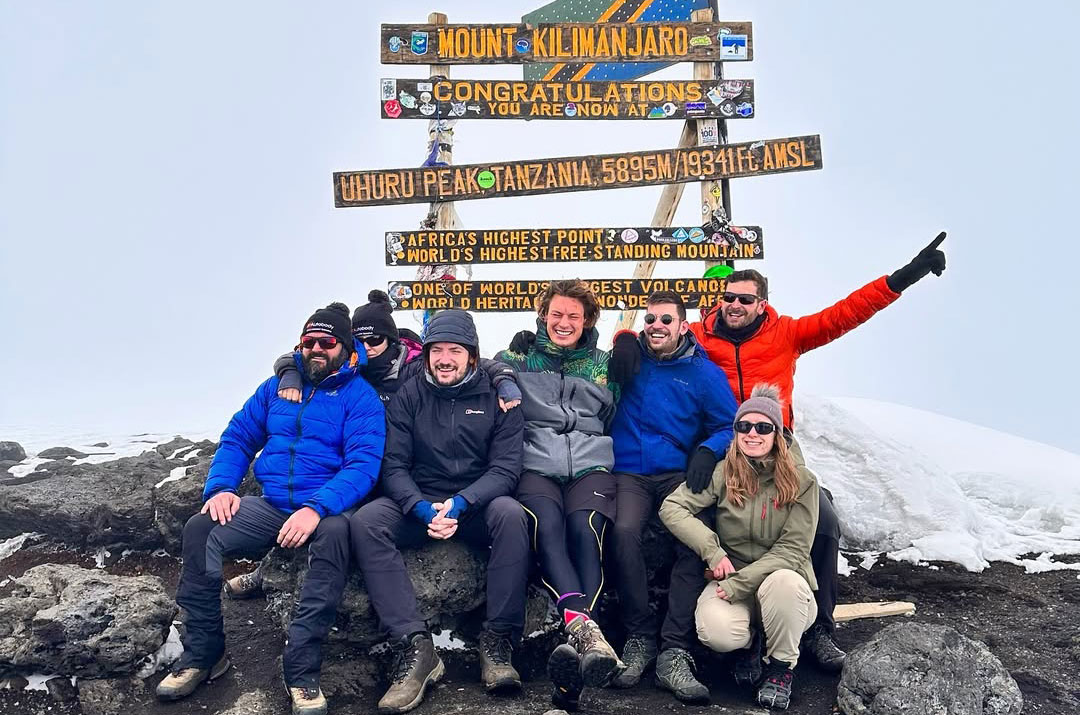
At the Uhuru Point, temperatures can range between -7 °C to -29 °C (degrees Celsius); 20 °F to -20 °F (degrees Fahrenheit). Mount Kilimanjaro has extreme, variable, and impossible weather to predict. It is therefore advised to get many layers of clothing gear for the trek. Layering helps keep the body warm in extreme cold wave conditions on the summit. Migration Venture Africa provides these gears as a rental option as well.
What is the best month to climb Kilimanjaro?
The best time to climb Kilimanjaro are from January-March and June-October. Generally, January-March is colder than June-October and there is a higher probability of encountering snow on the summit. It depends on the climbers whether they want to experience the snow-covered peaks of the summit or the more pleasant time period after June. The beauty of the mountain is at its best during the dry season of June-October. It is advisable to climb the mountain during this time.
Where do you sleep on Kilimanjaro?
A comfortable sleep is very important to get reenergized at next morning to continue the trek. Kilimanjaro gear is necessary for a cozy sleep. Essential gear like a K-way sleeping bag, foam mattress, and Kilimanjaro pillow can be carried on the trek. Migration Venture Africa also provides these gears on rent for which it is necessary to apply beforehand. You can speak to our staff personally regarding any queries about the Kilimanjaro gears.