


The Great Wildebeest Migration in Tanzania Safaris

  • Home
  • The Great Wildebeest Migration in Tanzania Safaris

The Great Wildebeest Migration in Tanzania Safaris

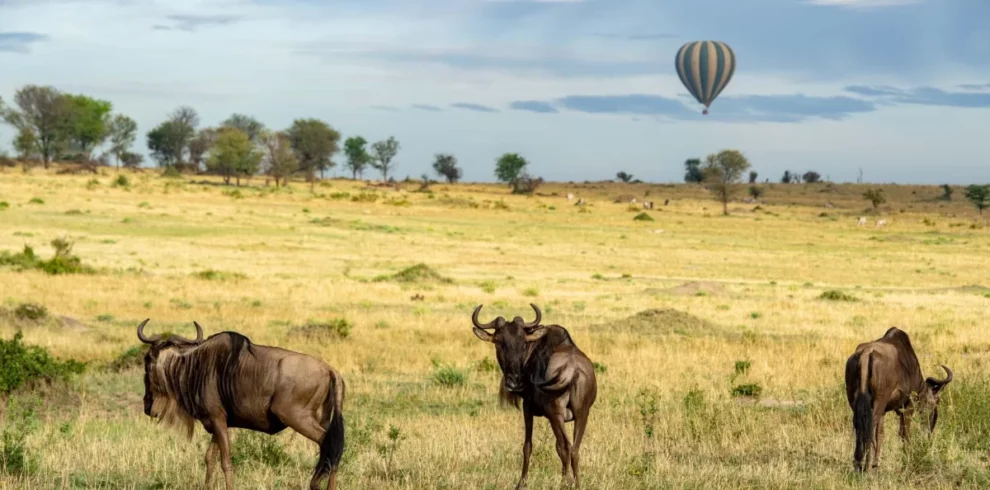
The Great Wildebeest Migration is an epic, year‑round circle of life through Tanzania’s northern parks and the Maasai Mara. Each month sees vast herds on the move, guided by rains and fresh grasses. From December through March, Ndutu and Serengeti South (including the Ngorongoro Conservation Area) become a sea of grazing wildebeest and newborn calves. In April to June the herds trek north through Seronera (central Serengeti) towards the Western Corridor (Grumeti). By July to September most animals are in the Northern Serengeti (Lobo) and spilling into Kenya’s Masai Mara. With the arrival of the short rains in October to November, the animals loop back south through Loliondo and the eastern Serengeti, completing the cycle. Meanwhile, Tarangire hosts its own seasonal migration of plains game: animals converge on its river and swamps during the dry season (June to October). Ngorongoro Crater itself has resident wildlife year‑round; its highlands (Ndutu) see the great herds mainly in the December to April calving season.

Migration Venture Africa offers an authoritative, eco‑conscious take on each stage of this grand migration. Below is a month‑by‑month guide to where the herds gather and what visitors can expect in Tarangire, Serengeti (Seronera/Central, Lobo/North, Grumeti/West), and the Ngorongoro Highlands (including the Crater). Each paragraph notes the location of the herds, wildlife highlights, and practical tips (viewing conditions, weather, packing, safety and variability). All timings are approximate exact dates vary with the rains and each region’s national park authority is cited for accuracy.

Leave A Comment

Your email address will not be published. Required fields are marked *