

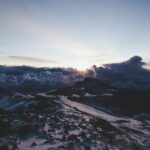


Altitude sickness (or Acute Mountain Sickness) is a condition caused by ascending too quickly and not allowing the body time to adjust to the reduced oxygen and changes in air pressure. This causes hypobaric hypoxia: a lack of oxygen reaching your body’s tissue. Symptoms typically begin to show above 2,500m if a person has not allowed their body time to adjust to the change in altitude. Symptoms of mild altitude sickness include dizziness, fatigue, headaches, nausea and vomiting, loss of appetite, a rapid pulse, and/or shortness of breath. More serious symptoms can include chest tightness, confusion, coughing, social withdrawal, trouble maintaining consciousness, a change in complexion or skin colour, difficulties walking, and eventually the risk of coma or death.
PREPARING FOR HIGH ALTITUDE
While it certainly helps to be in good physical shape, the ability to adjust quickly to the changing oxygen levels is largely genetic. It is impossible to tell how well anyone climber will fare in an oxygen deprived environment until they are actually in that environment. With the exception of going and staying in high altitude areas, the best option is to consider using a high altitude training system to simulate high altitude environments and induce beneficial adaptations.
SICKNESS SYMPTOMS:
- Difficulty sleeping;
- Dizziness or light-headedness;
- Fatigue;
- Headache;
- Loss of appetite;
- Nausea or vomiting;
- Rapid pulse;
- Shortness of breath with exertion.
- Bluish discoloration of the skin (cyanosis);
- Chest tightness or congestion;
- Confusion;
- Cough;
- Coughing up blood;
- Decreased consciousness or withdrawal from social interaction;
- Gray or pale complexion;
- Inability to walk in a straight line, or to walk at all;
- Shortness of breath at rest.


PREVENTION & PRECAUTIONS:
- Climb the mountain gradually with slow pace;
- Stopping for a day or two every 600 meters over 2400 meters or include an extra day of acclimatization;
- Sleep at lower altitude;
- Drink a lot of fluid;
- Avoid alcohol and eat regular meals, high in carbohydrates;
- Be familiar with early symptoms of Acute Mountain Sickness.
- Diamox** (acetazolamide) 250mg tablets to be taken twice a day from 13,000 feet to the top. This drug is widely used in high altitude mountaineering and is very highly recommended.